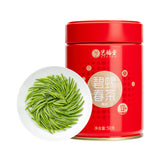
EFUTON Mingqian Bi Luo Chun Green Tea 50g | 艺福堂明前碧螺春 · 2025 Spring


EFUTON Mingqian Bi Luo Chun Green Tea 50g | 艺福堂明前碧螺春 · 2025 Spring
A compact 50g tin of Mingqian Bi Luo Chun for drinkers who want to experience the delicate, highly aromatic side of Chinese spring green tea. This EFUTON lot is identified as a 2025 spring harvest and features tender pre-Qingming buds in the classic curled Bi Luo Chun style. The red tin makes it easy to store, display and gift, while the tea itself offers the fine leaf, lifted fragrance and graceful glass-brewing experience for which Bi Luo Chun is known.
What “Mingqian” Means — and Why Tea Drinkers Care
Mingqian (明前) refers to spring tea harvested before the Qingming solar term. In Chinese tea culture, this early window is prized because the first tender shoots grow in cooler conditions and are available only in limited seasonal quantity. The resulting teas are typically appreciated for delicacy, freshness, fine buds and a softer balance of sweetness and bitterness.
That makes Mingqian tea as much about seasonality as flavor. It captures the idea of drinking the beginning of spring — a fresh, fragrant style traditionally enjoyed before warmer weather brings larger, stronger leaves.
Why Bi Luo Chun Is Famous
Bi Luo Chun — literally “Green Snail Spring” — is one of the most recognizable forms in Chinese green tea. Its leaves are rolled into tiny curls and spirals rather than pressed flat. Fine white bud down can remain visible across the dry leaf, creating a silvery-green look. When brewed, these compact curls loosen dramatically and reveal surprisingly tender leaf material.
The classic Bi Luo Chun tradition became famous for intense natural fragrance, a lively spring character and the contrast between tiny dry spirals and their elegant expansion in water. This is a very different aesthetic from the broad, flat blades of Longjing.
Tasting Notes
- Aroma: fresh spring leaf, gentle flowers, sweet grass and a subtle fruity lift.
- Palate: clean, soft and refreshing with a delicate vegetal sweetness.
- Texture: light-bodied but aromatic, with the emphasis on freshness rather than roast.
- Finish: crisp, gently sweet and lingering without the dense floral perfume of jasmine-scented tea.
Curled Leaf, White Down & the Visual Pleasure of Brewing
Bi Luo Chun is especially rewarding in clear glassware. The dry leaves begin as compact coils. As they meet warm water, they loosen and drift downward, with fine buds opening slowly through the pale jade-to-yellow-green liquor. The natural bud down may be visible in the infusion — a normal characteristic of tender spring leaf rather than sediment from processing.
This transformation is central to traditional appreciation of Chinese green tea: color, aroma, leaf shape and movement all form part of the tasting experience.
How to Brew It Traditionally
Use a clear glass when you want to see the leaves, or a porcelain gaiwan when you want tighter control over infusion time.
- Tea: 3g per 150ml, or 4–5g per 250ml
- Water: 75–80°C / 167–176°F
- Glass method: add water first, then scatter the leaves gently over the surface
- First infusion: 60–90 seconds
- Further infusions: 2–3, extending the time gradually
Boiling water is unnecessary and can flatten the finer aromatics. Cooler water allows the Mingqian character to remain sweet, bright and elegant.
How It Tastes Beside Other Chinese Teas
Versus Longjing: Longjing is flat, pan-fired and typically more nutty, chestnut-like and roasted-bean in character. Bi Luo Chun is curled, lighter in visual form and often more floral-fruity and high-toned.
Versus jasmine green tea: there is no need for added flower scenting to create Bi Luo Chun’s fragrance. Its floral quality comes from the tea leaf itself, so the aroma feels more integrated with fresh green and fruity notes.
Versus Huangshan Mao Feng: Mao Feng usually has longer, more open bud-and-leaf shapes and a soft orchid/vegetal profile. Bi Luo Chun’s tight curls make the dry leaf denser and the brewing transformation more dramatic.
Tea Culture: A Small Tin of Early Spring
Mingqian green tea has long carried a sense of season and occasion in Chinese tea culture. A small tin is not meant to be rushed: open it, smell the dry leaf, watch the spirals unfurl, and drink while the infusion is still light and fragrant. It fits beautifully into a minimalist tea tray, a scholar-inspired desk setup or a modern East Asian interior where the vivid red tin acts as a compact decorative accent.
Product Details
- Brand: EFUTON / 艺福堂
- Tea: Bi Luo Chun green tea / 碧螺春
- Season: Mingqian / pre-Qingming spring tea
- Harvest year shown for this lot: 2025
- Net weight: 50g
- Packaging: red tea tin
- Form: loose leaf
FAQ
Is this a jasmine tea?
No. Its floral impression comes from the green tea itself; it is not presented as jasmine-scented tea.
Why does Bi Luo Chun look fuzzy?
The fine white hairs are natural bud down associated with tender young shoots. They are commonly visible on spring-picked Bi Luo Chun.
Is 50g enough for multiple sessions?
Yes. At roughly 3–5g per session, a 50g tin provides approximately 10–16 brewing sessions depending on your preferred strength and vessel size.
How should I store it?
Keep the tin tightly sealed in a cool, dry place away from sunlight, heat, moisture and strong household aromas. Green tea is especially sensitive to warmth and odor.