Aged White Asymmetrical Rustic Ceramic Vase – Wabi-Sabi New Chinese Style Rough Pottery Vessel


Aged White Asymmetrical Rustic Ceramic Vase – Wabi-Sabi New Chinese Style Rough Pottery Vessel
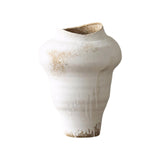
Aged white ceramic vases with irregular hand-shaped-looking rims, warm sand-toned wear and softly sculpted bodies. The chalky white surface and rustic brown distressing give both forms a quiet, collected character that fits New Chinese Style, wabi-sabi, Japandi, farmhouse-modern and organic interiors.
Two Clear Sizes
- Rounded Shoulder Vase – 24 cm H × 23 cm W: approx. 10 cm opening. A fuller rounded form for coffee tables, sideboards and dried lotus arrangements.
- Tall Sculpted Vase – 27 cm H × 20 cm W: approx. 10 cm opening. A taller silhouette for branches, console tables and vertical styling.
Aged White Rough-Pottery Character
The finish combines warm ivory-white with irregular sand and clay-toned weathering around the rim, shoulder and foot. The uneven mouth and softly faceted body make the vase feel intentionally imperfect rather than machine-symmetrical.
How to Style It
New Chinese Style
Pair with walnut, elm, black-stained timber, ink-inspired artwork and one loose branch arrangement. Dried lotus pods, seed heads and blossom stems work especially well.
Wabi-Sabi and Japandi
Use against limewash, plaster, raw oak, linen or travertine. Leave generous negative space around the vase and keep the arrangement asymmetric.
Western Rustic and Organic Interiors
The distressed white finish also works with farmhouse-modern, Mediterranean-inspired and organic-modern rooms. Style it beside warm wood, woven textures and neutral textiles.
Best Floral Pairings
- Dried lotus pods
- Bare sculptural branches
- Dried hydrangea
- Wheat and pampas grass
- Olive and eucalyptus stems
- Displayed empty as ceramic sculpture
Design Context
Contemporary New Chinese interiors often use simple vessel forms with deliberately restrained surfaces. The appeal comes from proportion, irregularity and material texture rather than ornate decoration, making these vases easy to combine with both traditional furniture and modern Western spaces.
Gift Guide
A strong choice for housewarmings, weddings, anniversaries, birthdays, host gifts and design-focused recipients. The neutral white finish makes it easy to coordinate with many interiors.
Feng Shui-Inspired Placement
The rounded forms visually soften angular furniture while the pale finish keeps the composition calm. Place one vase on an entry console, tea cabinet, sideboard or reading shelf with open space around it.
Care
- Dust with a soft dry cloth or soft brush.
- Use a lightly damp cloth for marks and dry immediately.
- Avoid abrasive pads and harsh cleaners.
- Use a felt pad beneath the base on polished furniture.
- Keep heavier branches balanced inside the opening.
Frequently Asked Questions
Which size works best on a coffee table?
The Rounded Shoulder Vase has a lower, broader profile and works especially well on coffee tables.
Which size is better for longer branches?
The Tall Sculpted Vase gives more vertical proportion.
Does it suit New Chinese Style?
Yes. The aged white surface pairs naturally with dark timber, tea furniture and ink-inspired art.
Can it work in Western interiors?
Yes. It also suits wabi-sabi, Japandi, rustic-modern, Mediterranean-inspired and organic-modern rooms.
Can it be displayed empty?
Yes. The irregular rim and weathered surface give both forms enough presence to work as standalone decor.
What flowers suit it best?
Dried lotus, bare branches, hydrangea, pampas and olive stems are especially effective.
Is it suitable for gifting?
Yes. Its neutral palette makes it easy to give for housewarmings and milestone occasions.
How should I group the two sizes?
Place them slightly offset, keep one empty and give the other a loose branch arrangement for a layered but uncluttered display.