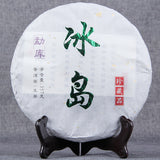
2015 Mengku Bingdao Ancient Tree Raw Pu-erh Tea Cake – 357g Aged Sheng Puer 勐库冰岛古树纯料


2015 Mengku Bingdao Ancient Tree Raw Pu-erh Tea Cake – 357g Aged Sheng Puer 勐库冰岛古树纯料
2015 Mengku Bingdao Ancient Tree Raw Pu-erh Tea Cake – 357g
A mature Yunnan raw Pu-erh / sheng puer from Mengku Bingdao, pressed in the classic 357g seven-son-cake format. The supplier identifies this cake as 2015 Bingdao ancient-tree pure material, with a bright liquor, soft leaf base, concentrated sweetness and a long, persistent returning sweetness.
Taste & Aroma
The cup is built around a clean, bright and sweet profile. Early infusions show a clear golden liquor and a fine, lively tea character; as the leaves open, the sweetness becomes fuller and more rounded. The finish is notable for lasting hui gan / 回甘—a returning sweetness that lingers after swallowing—while the texture stays delicate rather than coarse. The infused leaves remain soft and even, supporting a composed, refined drinking style over repeated infusions.
Key Details
- Tea type: Raw Pu-erh / Sheng Puer 生普洱
- Year: 2015
- Origin: Mengku Bingdao, Yunnan
- Material: Ancient-tree pure-material style
- Weight: 357g per cake
- Traditional packing reference: 7 cakes per tong; 6 tongs per case
- Storage reference: dry Kunming-style storage
Why Choose This Tea?
This is a strong choice for drinkers who want an older raw Pu-erh with more composure than a newly pressed sheng. Years of resting have given the tea time to settle, while the Bingdao profile keeps the experience focused on sweetness, clarity and a lingering finish rather than brute bitterness. The classic 357g cake format is also ideal for a tea cabinet, Gongfu tea shelf or thoughtful gift.
How to Brew – Gongfu Style
Use 5–7g for 100–120ml of water at around 90–95°C. A quick rinse is optional. Begin with a short 8–12 second infusion and gradually extend the time as the cake opens. If you prefer a softer cup, lower the temperature slightly; if you want more body, increase the leaf quantity before extending steep time too aggressively.
How to Brew – Teapot or Mug
Use around 3–5g for 300–400ml of water at 90–95°C. Steep for approximately 2–3 minutes. Shorter steeps emphasize clarity and sweetness; longer steeps bring more body and structure.
Best Time to Drink
Late morning and afternoon are excellent times for this tea, especially when you can give it several infusions. It also suits a slower weekend Gongfu session after a meal. As raw Pu-erh naturally contains caffeine, caffeine-sensitive drinkers may prefer to avoid drinking it close to bedtime.
Food Pairing
Pair with fresh pear, white peach, lightly roasted nuts, steamed buns, almond biscuits, mooncake or lightly sweet pastries. Foods with moderate sweetness work especially well because they allow the tea’s clean returning sweetness to remain noticeable.
Who Should Buy This Tea?
Choose it if you already enjoy raw Pu-erh and want an older Bingdao-style cake, or if you prefer sweetness, bright liquor and persistent hui gan over aggressively bitter young sheng. It also suits collectors building a mixed raw-Pu-erh shelf across different years and mountain areas.
Gift Guide
The full 357g cake makes a substantial gift for experienced tea drinkers, parents, elders, business contacts and collectors. It works well for Lunar New Year, Mid-Autumn Festival, birthdays, housewarmings, retirement gifts and tea-room presents. Pair it with a porcelain gaiwan or tasting cups for a complete Gongfu tea set.
Storage
Store in a clean, dry, ventilated place away from direct sunlight, moisture, perfume, incense, spices and strong cooking aromas. Pu-erh absorbs surrounding odours readily, so stable storage is important. Keep the cake protected but not in a damp, airtight environment.
FAQ
Is this raw or ripe Pu-erh?
This is raw Pu-erh / sheng puer.
What does the tea taste like?
Expect a bright, clean liquor, concentrated sweetness, a delicate texture and a long returning sweetness in the finish.
What is hui gan / 回甘?
It is the returning sweetness that becomes noticeable in the mouth and throat after the tea is swallowed.
Is this very bitter?
The defining direction of this cake is sweetness and refinement rather than aggressive bitterness. Brewing lighter at first will keep the cup especially balanced.
Should I rinse the tea?
A quick rinse is optional and can help a compressed cake begin opening evenly.
How many times can I brew it?
Use repeated short infusions and continue while the liquor retains fragrance, sweetness and structure. The exact number depends on leaf amount, vessel size and steep time.
Is this suitable for ageing further?
Yes. Raw Pu-erh can continue to evolve under clean, dry and stable storage conditions.
What teaware is best?
A porcelain gaiwan is excellent for tasting the tea clearly. A small clay pot can also work well for regular Gongfu brewing.
Is it suitable as a gift?
Yes. The 2015 vintage, Bingdao positioning and traditional 357g cake format make it particularly suitable for tea enthusiasts and collectors.
Search & Discovery
Ideal for searches around 2015 Bingdao raw Pu-erh, Mengku Bingdao tea cake, aged sheng puer, 357g Pu-erh cake, ancient tree raw Pu-erh, Chinese tea gift, Yunnan aged tea cake, Gongfu Pu-erh brewing and Bingdao hui gan tea.