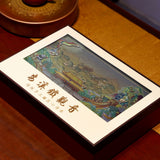
Anxi Tie Guan Yin Orchid-Aroma Oolong Tea 500g – Traditional Rich-Aroma Four-Tin Heritage Gift Box for Gongfu Tea


Anxi Tie Guan Yin Orchid-Aroma Oolong Tea 500g – Traditional Rich-Aroma Four-Tin Heritage Gift Box for Gongfu Tea
A 500g Anxi Tie Guan Yin oolong presented in a four-tin heritage gift box, built around the richer, warmer side of the classic orchid-fragrant style. This tea is designed for drinkers who enjoy floral aroma but want more depth than a very light green oolong: expect orchid, toasted grain, honeyed sweetness and a smooth roasted finish.
Why Anxi Tie Guan Yin Is Famous
Tie Guan Yin is one of the most internationally recognized Chinese oolongs and is closely associated with Anxi in Fujian. Its reputation comes from the combination of fragrance, texture and repeated-infusion performance. A good session can move from high floral aroma in the early brews to creamy sweetness, gentle roast and a lingering returning sweetness in later cups.
Unlike green tea, oolong is partially oxidized. That middle position gives Tie Guan Yin a broader aromatic range: it can preserve fresh floral notes while also developing body, warmth and deeper roasted tones.
Leaf Shape and Traditional Rolling
The dry leaves are tightly rolled into compact pellets rather than left flat. Hot water gradually releases the folds, and the small pellets expand into surprisingly large leaves. This transformation is one of the most recognizable visual signatures of Tie Guan Yin.
That shape is very different from Longjing. Longjing is famous for a flat pan-fired form, with smooth blade-like leaves pressed during heating. Tie Guan Yin is rolled rather than flattened, and its partial oxidation creates a more floral, creamy and rounded cup instead of Longjing's fresher chestnut, bean-like and vegetal profile.
Tasting Notes
- Aroma: orchid, warm flowers, toasted grain and light honey.
- First sip: smooth and aromatic with a rounded floral sweetness.
- Mid-palate: creamy texture, roasted nut, gentle mineral character and warm cereal notes.
- Finish: lingering floral aroma with a soft returning sweetness.
- Overall style: richer and warmer than a very lightly oxidized green oolong, but cleaner and more floral than a dark roasted rock tea.
The Visual Pleasure of Brewing
Tie Guan Yin is especially rewarding in a white porcelain gaiwan or a glass brewing vessel. The dry pellets begin compact and dark green to olive. After the first infusion they loosen; by the second and third infusions, the leaves unfold dramatically and occupy much more space in the vessel.
The liquor develops from pale gold toward a deeper yellow-gold as the leaves fully open. Watching the compact rolled leaf return to broad, supple leaves is part of traditional oolong appreciation and makes the brewing session visually different from both flat Longjing and tightly curled Bi Luo Chun.
Traditional Gongfu Brewing
- Tea: 7 to 8 grams per 100 to 120 ml
- Water: 95 degrees Celsius
- First infusion: 15 to 20 seconds
- Later infusions: increase gradually as the leaves open
- Teaware: porcelain gaiwan, small clay teapot or glass fairness pitcher
A very brief rinse is optional. Short infusions allow the floral top notes, creamy middle and warmer roasted finish to appear in stages.
How It Compares with Other Chinese Teas
Compared with Longjing: Longjing is a flat pan-fired green tea with chestnut, bean and fresh vegetal notes. Tie Guan Yin is rolled, partially oxidized, more floral and more textured.
Compared with Bi Luo Chun: Bi Luo Chun is a curled spring green tea with a lighter floral-fruity freshness. Tie Guan Yin has greater body, a creamier mouthfeel and more endurance through repeated infusions.
Compared with Zhangping Shui Xian: both are Fujian oolongs with strong floral potential. Zhangping Shui Xian is famous for compressed square portions and a softer creamy style, while Tie Guan Yin is traditionally rolled into pellets and often shows a more lifted orchid fragrance.
Compared with Wuyi rock tea: darker Wuyi oolongs tend to emphasize roast, mineral depth and toasted character. Tie Guan Yin generally feels more floral, rounded and perfumed.
Compared with black tea: black tea is fully oxidized and typically shows malt, dried fruit and darker liquor. Tie Guan Yin preserves more freshness and floral brightness because it is only partially oxidized.
Anxi Tea Culture
In Anxi tea culture, aroma is examined carefully before and after each infusion. Drinkers smell the warmed dry leaf, the lid of the gaiwan, the liquor and the opened leaf. This layered approach explains why Tie Guan Yin is so closely associated with gongfu brewing: the tea is not judged from one long steep but from the way it changes across an entire session.
The four decorative tins and heritage-style presentation box also make this format suitable for formal gifting, family tea tables, business occasions and display in a dedicated tea cabinet.
Product Details
- Anxi Tie Guan Yin oolong tea
- Rich orchid-aroma style
- 500g total net weight
- Four-tin presentation format
- Tightly rolled oolong leaf
- Suitable for gongfu brewing and repeated infusions
- Gift-ready heritage presentation box
Frequently Asked Questions
Is Tie Guan Yin a green tea?
No. Tie Guan Yin is an oolong tea. It is partially oxidized, which gives it more body and aromatic depth than most green teas while preserving a strong floral character.
Why are the leaves rolled into small pellets?
Rolling shapes the leaf, concentrates the finished form and creates the characteristic unfolding performance during brewing.
What does orchid aroma mean?
It describes a naturally floral fragrance associated with the tea itself. It does not require added orchid flavoring.
Should I use boiling water?
Water around 95 degrees Celsius works well for this richer style. The tightly rolled leaves need enough heat to open fully and release their deeper aroma.